
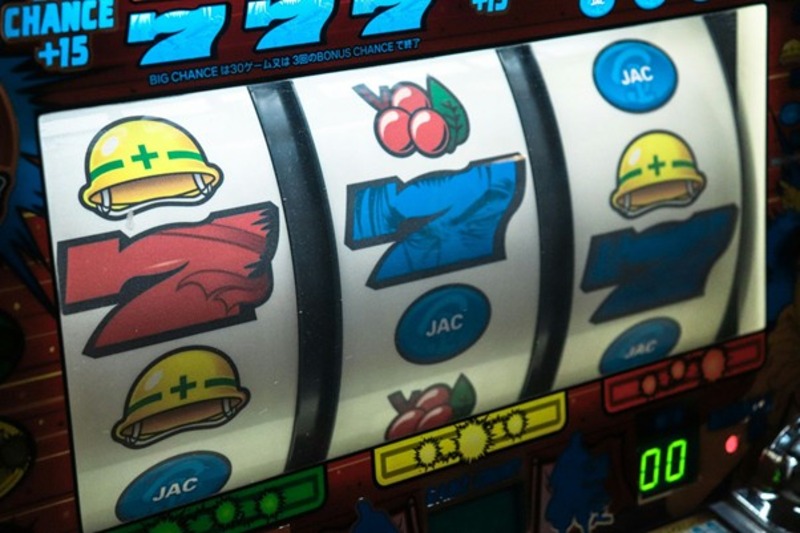
Football jackpot betting can encourage a simple but costly mistake: treating a convenient mobile interface as proof that a selectiophone can make fixture lists, markets and account access easier to reach, but it cannot turn incomplete research into a reliable decision. For Kenyan users, the more useful approach is to verify two separate things before placing a bet: the quality of the football information and the legitimacy of the digital route used to act on it.
That distinction matters when an app or mobile page becomes part of the matchday routine. A reader looking into access information such as paripesa app download should still check the source of the installation file, account terms, permissions and payment pathway before entering personal information or making a deposit. Those checks do not predict a scoreline, but they reduce avoidable risks around the process of betting.
What a Verification Framework Actually Does
A verification framework is a repeatable method for checking information before it affects a decision. In football betting, that means separating confirmed facts from assumptions, recording why a selection was considered, and checking whether the betting channel itself is appropriate to use. The objective is not to create certainty, because football results remain uncertain even after detailed analysis.
This matters especially in jackpot formats, where several selections may be combined in one ticket. A weak assumption on one fixture can undermine an otherwise careful card, while several uncertain selections can create a ticket built more on hope than evidence. A useful framework therefore slows the process down before the final tap on the screen.
Begin With Legal and Account Verification in Kenya
Kenya now regulates gambling under the Gambling Control Act, 2025, which established the Gambling Regulatory Authority of Kenya. The law treats online gambling as a licensed activity and places obligations on operators concerning online security, payments, protection of vulnerable users and data protection. For a user, the practical implication is straightforward: checking current authorisation should come before account registration or funding.
A polished app screen, a familiar football badge or an attractive promotion is not evidence of current licensing status. Licensing may change, and a user should verify an operator through the relevant Kenyan regulatory channel rather than relying on promotional wording or social media discussion. This first step is not about choosing a winning ticket; it is about confirming that the platform being considered operates within the relevant framework.
The same discipline applies to account details. Before registering, a user should identify what information will be requested, how withdrawals are handled, what customer support route exists and whether there are tools for responsible participation. An account should not be opened merely because a match is about to begin or because a jackpot deadline is approaching.
Build a Football Evidence Trail Before Opening the App
Jackpot research becomes more useful when each selection has a documented reason. A prediction page, group chat message or short social post may point a reader toward a fixture, but it should not be the final basis for a decision. Confirmed information should be separated from opinion before a ticket is assembled.
A practical pre-selection checklist can include:
- Fixture verification: confirm that the match, kickoff time and competition details are accurate.
- Team availability: check reliable team or competition updates for confirmed absences, suspensions or late squad changes.
- Context assessment: consider whether the fixture involves rotation risk, congested scheduling or unusual motivation factors.
- Uncertainty note: mark selections where the available evidence does not clearly support one outcome.
- Ticket review: decide whether too many uncertain legs have been combined into one jackpot entry.
This method prevents a common analytical problem: confusing the amount of information collected with the quality of that information. Ten repeated opinions about the same match do not automatically provide stronger evidence than one confirmed squad update. In a multi-match card, disciplined exclusions can be as valuable as confident selections.
Consider a reader reviewing twelve football fixtures on a weekend card. After checking available information, four matches appear difficult to classify because of squad rotation, limited recent evidence or conflicting signals. Rather than forcing confidence into all twelve decisions, the reader can identify those four fixtures as the main risk points and decide whether the ticket still fits a pre-set budget.
Verify the Mobile Route Separately From the Football Analysis
A good football selection process does not automatically make an app installation safe. Mobile betting access may involve personal information, passwords, device permissions and payment details, so the installation route needs its own review. This is particularly important when an Android installation file is obtained outside a standard app marketplace.
Before installing or using a mobile betting application, a user should check five areas:
- Source: obtain installation instructions only from the intended operator route or a clearly identified reference page, not from forwarded files or unverified messages.
- Device security: keep mobile security scanning enabled and take warning messages seriously, particularly for externally installed applications.
- Permissions: question requests for access that appear unrelated to account use, payments or basic app operation.
- Privacy information: read how personal data is collected, used, stored and handled before submitting identity or contact details.
- Payment and support: confirm the deposit, withdrawal and customer assistance process before transferring money.
These checks are not technical obstacles to get through quickly. They are part of responsible digital participation, because an app may be used repeatedly over a long football season. An installation decision made in a hurry can expose a user to risks that have nothing to do with whether a football prediction was well researched.
Kenya’s data protection environment also gives users a reason to pay attention to privacy notices. Registration details, telephone numbers and transaction-related information are personal data, not minor administrative entries. A careful user should understand what is being provided and retain records of account communication, deposits and withdrawals.
Keep App Convenience Separate From Betting Confidence
Mobile access is useful because it reduces friction: fixtures can be checked, selections entered and account information viewed without a desktop computer. However, reduced friction can also shorten the time between seeing a prediction and spending money on it. The sensible response is to create a deliberate pause between research and placement.
One method is to complete a written or saved selection review before signing into any betting application. The review can include the fixture, intended outcome, source of the key information, confidence level and maximum stake already decided for the session. Once this record exists, the app becomes an execution tool rather than a place where the decision is formed under time pressure.
This distinction is important for jackpot betting because a large advertised prize can distract from the number of uncertain outcomes required to secure it. A ticket is not strengthened by increasing the stake after losses, adding selections without checking them or replacing research with a late emotional reaction. The useful question is not whether a jackpot looks exciting, but whether the decision process remains controlled.
Use Budget Limits and Exit Rules Before Matchday Pressure Appears
Responsible betting begins before the first fixture starts. A user should decide the amount available for betting as entertainment, keep it separate from essential spending and avoid changing that limit in response to previous results. A loss does not become easier to recover simply because another fixture is available on a phone.
A basic personal framework may include:
- a fixed weekly or matchday spending limit;
- no deposits made to chase losses;
- no ticket submitted without completed verification checks;
- a break from betting when spending or time becomes difficult to control;
- use of available exclusion or account-control mechanisms when needed.
Kenya’s current gambling framework includes responsible gambling measures, and users should check the operator’s available self-exclusion and account-control tools where needed. That safeguard is important because responsible participation is not only about researching fixtures. It is also about recognising when stopping is the correct decision.
A Better Matchday Routine Is Built on Checks, Not Promises
Football analysis can improve the organisation of a betting decision, but it cannot guarantee a winning outcome. Mobile tools can make access convenient, but convenience should not replace licensing checks, privacy review, device safety or a defined budget. The strongest routine is therefore a sequence: verify the platform route, verify the football information, record uncertainty, set the limit and only then decide whether to proceed.
For Kenyan jackpot users, this approach turns mobile betting from an impulsive final step into a controlled process. The result is not a promise of profit or a shortcut to winning selections. It is a clearer way to protect personal information, reduce avoidable mistakes and treat football betting as an activity that requires limits as well as analysis.