
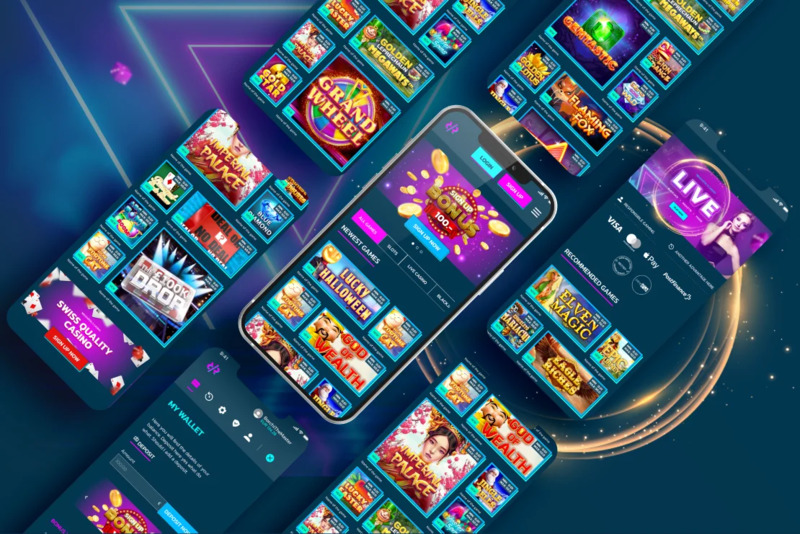
Casino UX isn’t just about pretty buttons and slick animations – it’s about reducing friction at the exact moments players feel excited, uncertain, or impatient. A product that loads fast, makes money movement feel clear, helps people find games quickly, and nudges them away from tilt creates a smoother experience for everyone (including support teams and fraud/risk). In that context, Betwinner RDC is a useful reminder of how brand discovery often starts with simple intent: “get in, find a game, and play without hassle.” The best casino products design for that intent while also protecting players from poor decisions.
Speed UX: “Time to First Spin” as a real product metric
Speed is the first promise your interface makes. If the lobby stutters, the login flow drags, or the game takes forever to become playable, users don’t interpret it as “technical debt” – they interpret it as doubt: “Is this safe? Is this legit? Will it even pay out?” Speed UX is about removing uncertainty as much as it’s about performance.
A practical list: speed UX moves that matter
- Measure “Time to First Spin”: Track from landing page to playable state, not just page load.
- Fast-path returning players: Remember last played, last provider, and preferred category so the lobby opens to relevance.
- Streamline auth: Keep sign-in lightweight, avoid unnecessary steps before browsing.
- Progressive loading for lobby and game tiles: Prioritize visible items first; load the rest in the background.
- Pre-warm game launches: Prefetch metadata and thumbnails so the click feels instant.
- Graceful failure states: If a provider is down, say so plainly and offer alternatives instead of infinite spinners.
- Keep micro-animations short: A smooth 200ms feedback tap feels “fast”; a 900ms flourish feels “stuck.”
Speed UX is “trust UX.” When players feel the product responds instantly and predictably, they stop second-guessing every step – and the session naturally lasts longer without needing gimmicks.
Cashout UX: clarity, control, and fewer support tickets
Cashout is where confidence is earned or lost. Players don’t want to “figure it out”; they want a clear path from balance to withdrawal, with transparent status and realistic expectations. A smooth cashout flow lowers complaints, reduces chargeback risk, and helps keep retention healthy – because players return to products that pay out with minimal drama.
A practical list: cashout UX patterns that reduce friction
- Show “available to withdraw” vs “locked”: Separate real cash from bonus-locked funds with plain language.
- Inline fee and ETA disclosure: Display processing time ranges and any fees before the final confirm step.
- Smart defaults, not hidden choices: Preselect the most-used payout method; still allow change in one tap.
- Step-by-step status timeline: “Requested → Under review → Approved → Sent” beats a single “Pending” label.
- Friendly KYC prompts: If verification is needed, explain why and what’s missing, with a clear upload path.
- One-screen receipt: Confirmation with amount, method, expected timeframe, and reference ID.
- Clear reversal rules: If a withdrawal can be canceled, show the window and the impact on bonuses.
When cashout UX is clean, players feel in control, and the platform feels “grown-up.” That perception matters as much as the mechanics.
Lobby UX: discoverability without overwhelm
The lobby is a store shelf, but it’s also a decision engine. Too many tiles and players freeze; too few and they assume the catalog is weak. Great lobby UX balances discovery (new content) with comfort (familiar favorites). It also respects context: mobile users want quick entry, while desktop users may browse.
A practical list: lobby structures that help real players
- Intent-based categories: “New,” “Popular,” “Jackpots,” “Live,” “Low volatility,” “High volatility,” “Buy Bonus,” “Megaways,” etc.
- Search that works like a product: Autocomplete, provider filters, and typo tolerance.
- Personal rails: “Continue playing,” “Because you played…,” “Recently viewed,” and “Favorites.”
- Meaningful game cards: Show provider, volatility label (if used), key features, and “real money/demo” toggle clearly.
- Events without chaos: Promotions should live in a dedicated area, not hijack every screen.
- Cross-sell with restraint: Sportsbook or mini-games can be offered, but never block core casino discovery.
A strong lobby reduces “time to choose” and increases satisfaction. Players who find what they want quickly are less likely to churn or rage-quit after a bad run.
Anti-tilt UX: protect players, protect LTV
Tilt isn’t just a player problem; it’s a product problem. When users chase losses, speed up bets, ignore limits, and play while frustrated, outcomes often include withdrawals of deposits, angry support chats, chargeback attempts, or self-exclusion. Anti-tilt UX isn’t preachy – it’s quietly protective, using timing and framing to help players regain control.
Below is a single table of anti-tilt solutions that can be built without turning the product into a lecture:
| Trigger moment | What the player is feeling | Anti-tilt UX response | Why it works |
| Rapid bet acceleration | “I need it back fast” | “Pace check” prompt after X spins/min with a one-tap slow mode | Interrupts autopilot without shaming |
| Large loss streak | Frustration, urgency | Optional break suggestion + quick access to limits | Offers an escape hatch at the peak moment |
| Repeated deposits in short time | Chasing | Deposit cooldown option + clear running total display | Makes spending visible and adds a pause |
| Session exceeds set time | Fatigue | Gentle timer reminder + “Save & exit” button | Players respond better to choice than force |
| Switching to higher volatility games | “One big hit will fix it” | Volatility label + “risk reminder” tooltip | Sets expectations before escalation |
| Big win followed by immediate risk jump | Overconfidence | “Lock in win” suggestion: move part to withdrawable balance | Encourages profit-taking behavior |
The best anti-tilt UX treats self-control like a feature. It improves player wellbeing and, over time, can increase trust-driven retention because users feel the product isn’t trying to trap them.
Putting it together: UX that feels fast, fair, and human
Speed, cashout, lobby design, and anti-tilt patterns work best as a system. A casino that loads quickly but hides withdrawal status feels suspicious. A casino with a great lobby but confusing bonus lock rules feels like a trick. A casino that pays out clearly but never offers pacing tools risks creating frustrated, exhausted players who leave.
The winners in casino UX design focus on predictable flows, honest labels, and friction only where it protects the player or the platform. When UX feels fast, fair, and human, it doesn’t just improve conversion – it reduces risk, lowers support load, and builds the kind of trust that keeps players coming back even when luck doesn’t.